
Skip to content

Custom e-commerce development: B2C online stores and B2B ordering platforms with cash on delivery, built and run from Sfax, Tunisia Sell the way your customers already buy

ANTASY IT (a.it) builds online stores and B2B ordering platforms around the way you sell: cash on delivery, reseller prices, orders confirmed before they ship, stock and invoices handled in your back office. A tyre distributor founded in 1967 and a fashion and beauty brand from Sfax sell on platforms we built.

For
Brands, retailers, distributors, wholesalers
Payment
Cash on delivery, built into the order flow
Stack
Next.js · Strapi · Prisma · PostgreSQL
Running at
Mohamed Damak et Cie · Key Brothers

Online stores we built, in real screenshots.

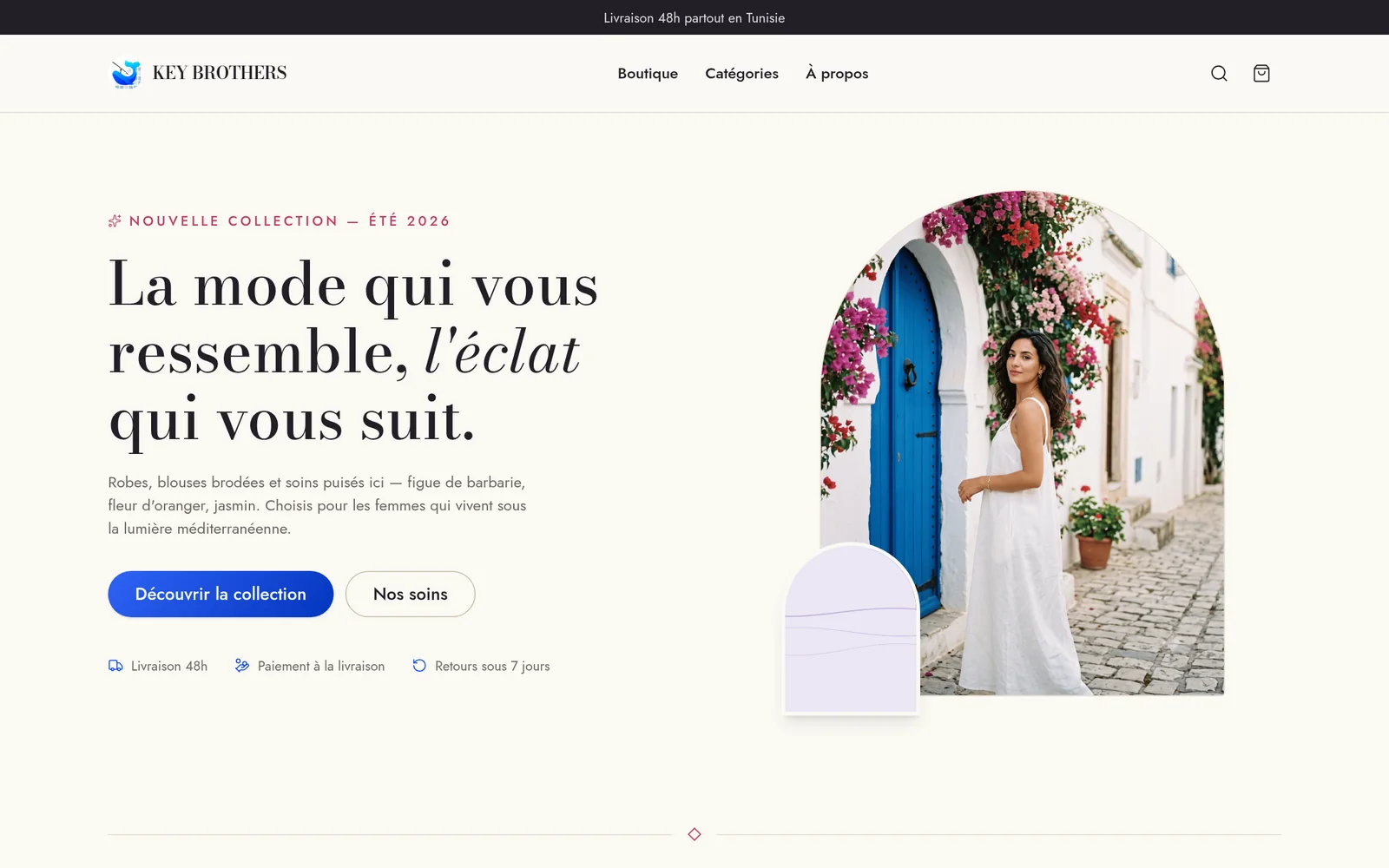
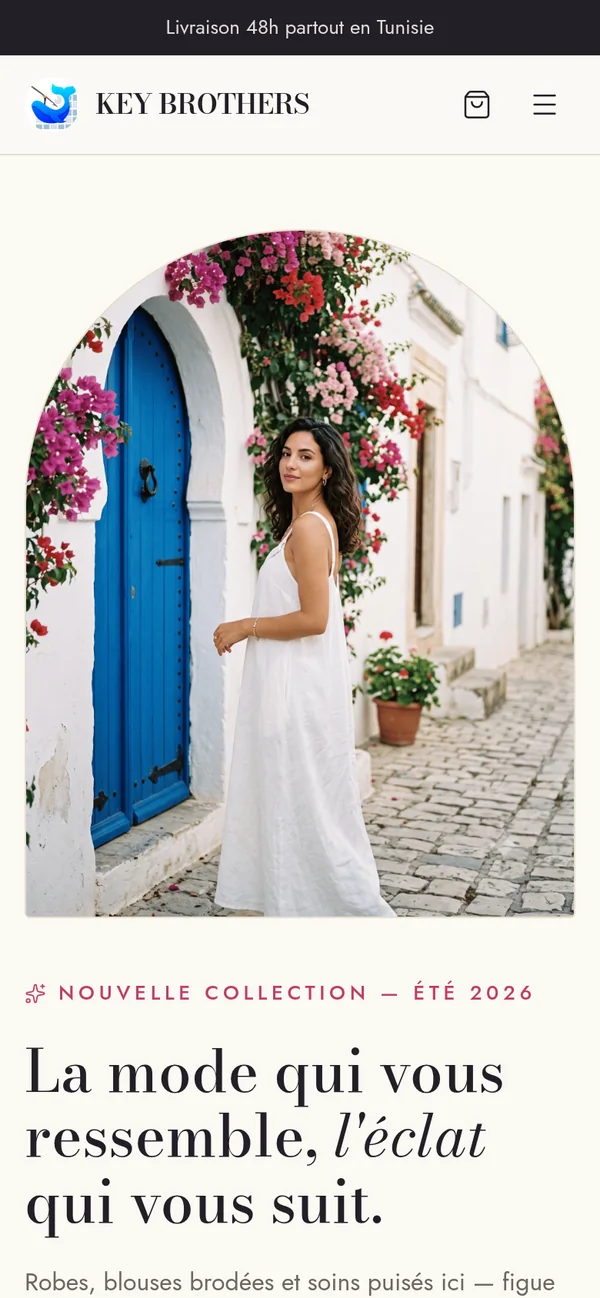
The Key Brothers store on a laptop
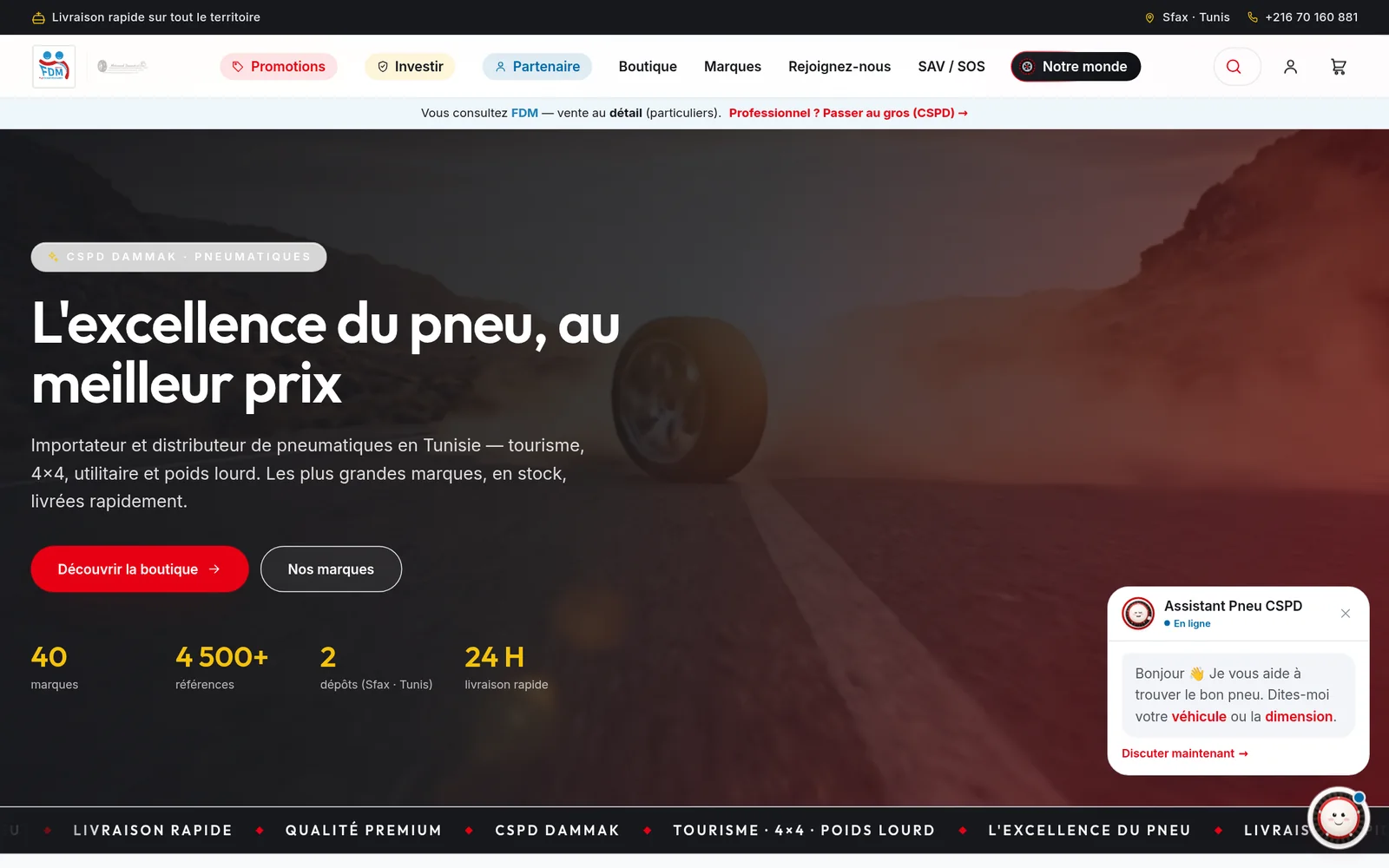
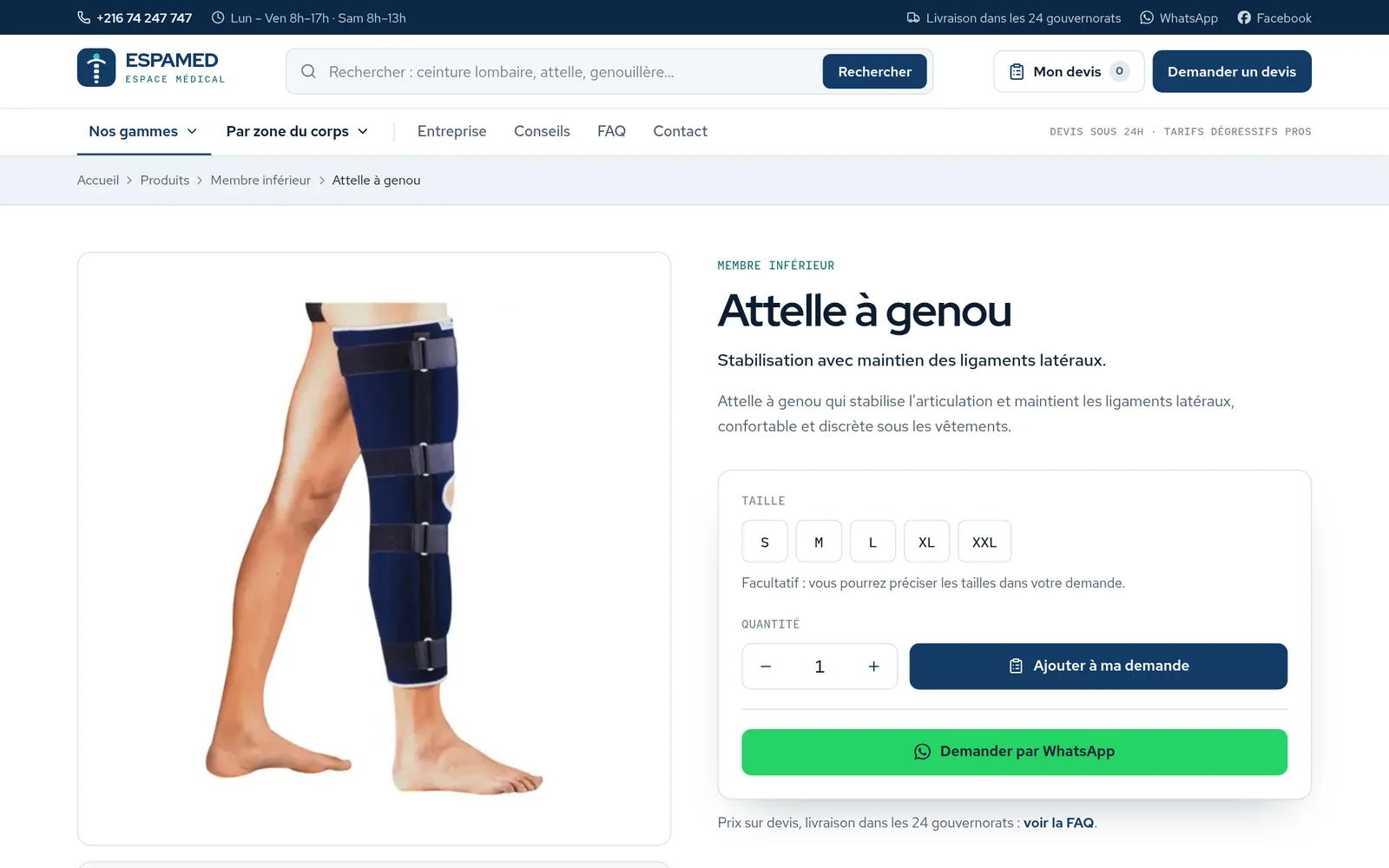
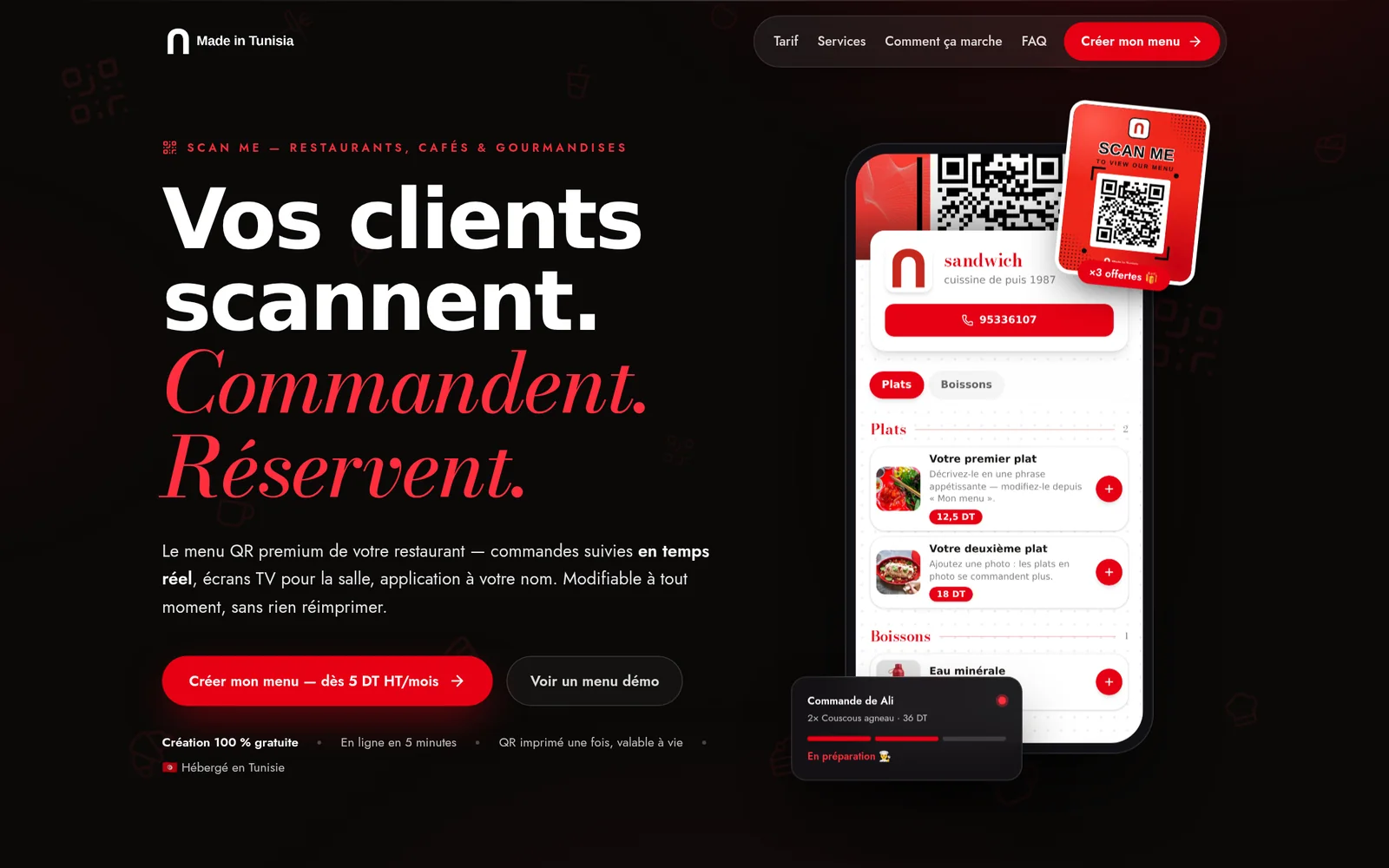
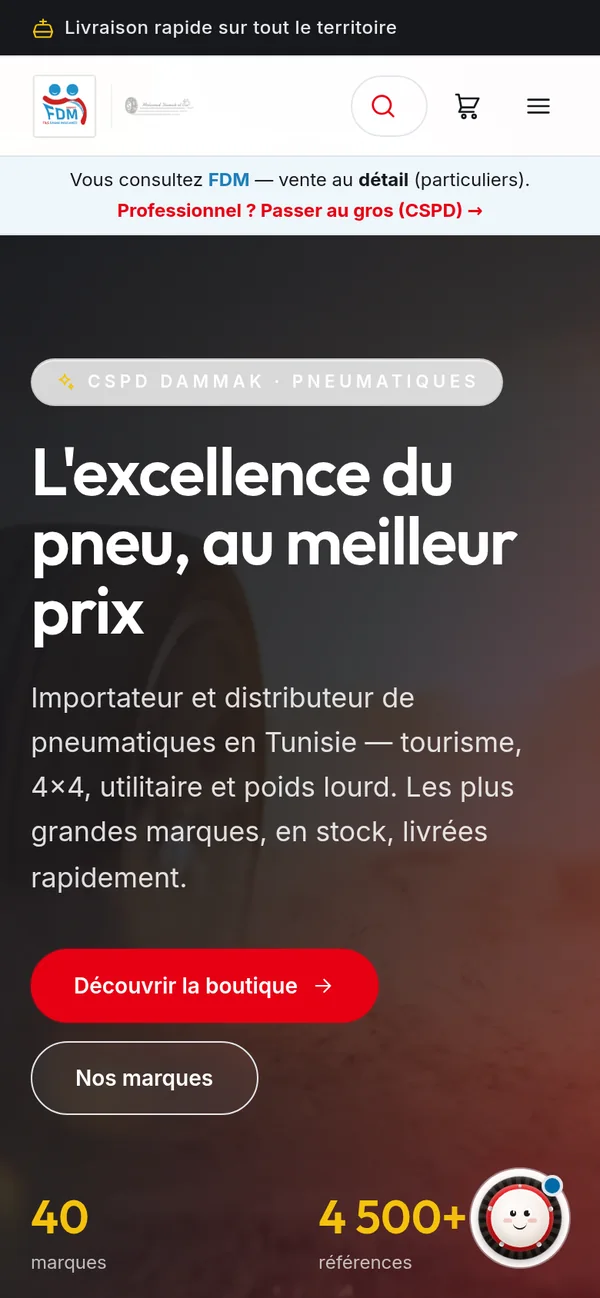
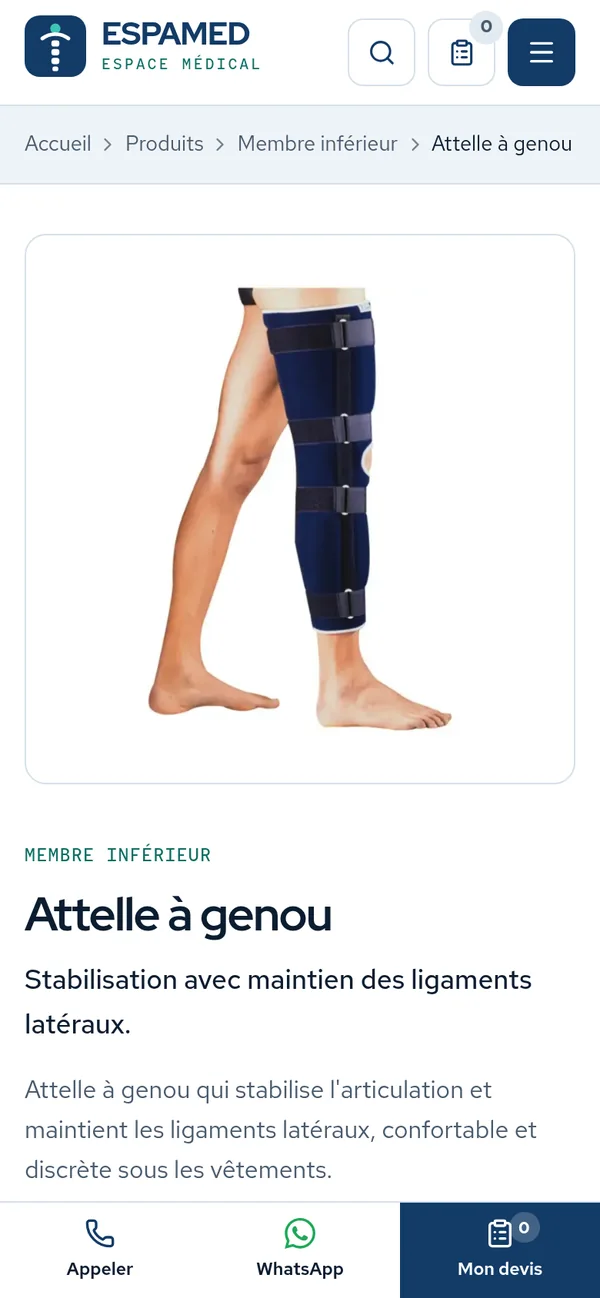
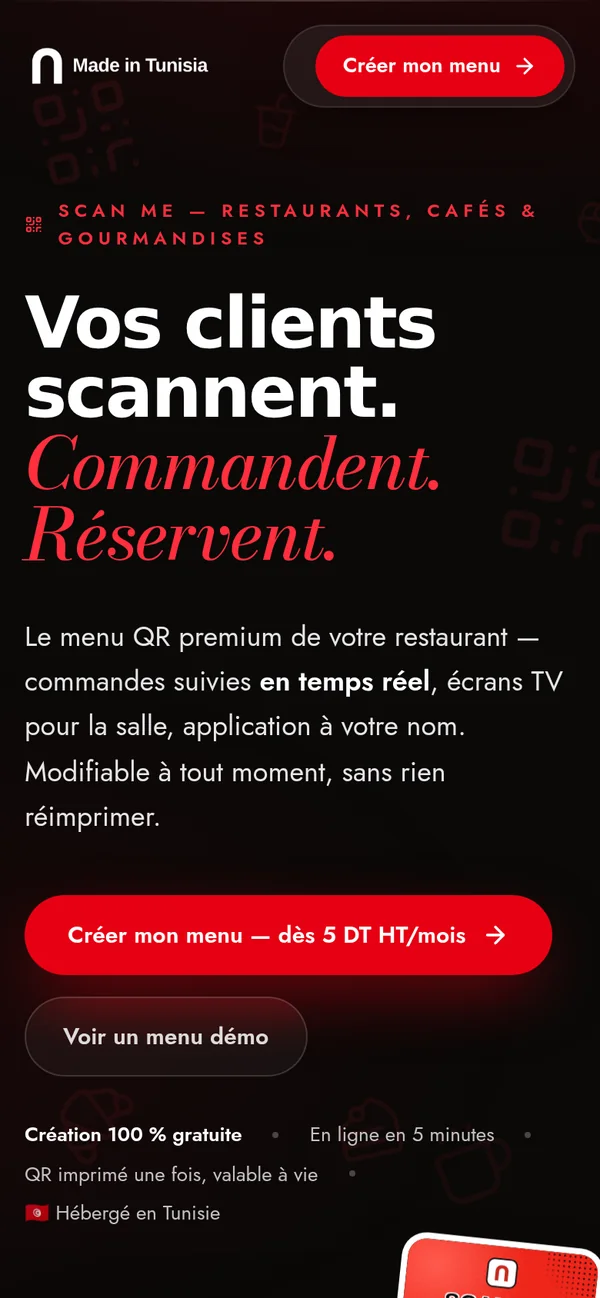
Key Brothers · online storeMohamed Damak et Cie · e-commerce platformESPAMED · product page and quoteMade in Tunisia · ordering at the restaurant

Overview

What does a custom e-commerce platform include?

A custom e-commerce platform is a storefront and a back office written for one business: catalogue, cart and checkout in front; products, orders, customers and prices behind. ANTASY IT builds both, for consumers (B2C), professional buyers (B2B) or both on one site, with cash on delivery and orders linked to your stock and invoicing.

In Tunisia, a large share of online shoppers still expect to pay on delivery, and many orders are confirmed by phone or WhatsApp before they ship. A store designed around card payment, with that reality added afterwards, loses orders at the last step. We start from the order as it really happens: placed online, confirmed, prepared, shipped, delivered, sometimes cancelled or refunded, and we give each step a status your team can act on.

Distributors have a second problem. The same catalogue must show public prices to visitors and other conditions to resellers, companies and partners, and every order must reach the ERP that issues delivery notes and invoices. That is a B2B ordering platform, and it has its own page below.

For agencies and brands outside Tunisia, we build headless storefronts and custom back offices in English or French, under your name if you work white-label. The checkout then follows your market’s payment habits rather than Tunisia’s.

Who comes to us

  • A brand that sells through Instagram and WhatsApp and wants its own store
  • A retailer who types every phone order into a spreadsheet
  • A distributor whose resellers order by phone and wait for a quote
  • A group of companies that wants one platform presenting all of them
  • An agency whose client needs a store built around specific rules

Problems we solve

Where online sales usually stall

Orders come in, but nobody knows which are confirmed?

On Key Brothers, every order moves through explicit statuses: pending, confirmed, in preparation, shipped, delivered, or cancelled. The team sees whom to call, what to pack and what is on the road, and the customer follows the order from a tracking page, with its order number and phone number.


Every product page looks the same, whatever you sell?

A dress, a skincare product and a tyre are not sold the same way. On Key Brothers each product can use its own page layout (a standard sheet, a story, a technical specification or a gallery), chosen in the back office without asking a developer.

Resellers still phone because the site shows public prices only?

On the Damak group platform, each customer account has a type (company, reseller, partner or investor) and B2B accounts see wholesale pricing instead of the public price. One catalogue serves both audiences; our B2B portals page explains how.

Content stuck with the developer?

Banners, brand pages, collections and texts should change without a release. The Damak group platform is edited in Strapi, a content manager with roles; Key Brothers has its own back office, where editors manage products and orders and administrators manage the settings.

What we build

What a store we build contains

This is the usual scope. Each block is sized to your catalogue and your way of selling; nothing is included just because a template had it.

  • Catalogue and search

    Categories, brands and filters that match how customers look for products.

    • Category and brand pages
    • Filters and search
    • Draft, published and archived products
  • Product pages

    Pages built to sell your kind of product.

    • Several layouts: standard, story, technical, gallery
    • Photos, sizes and variants where needed
    • Structured data for search engines
  • Cart and checkout

    A short path to an order, on a phone.

    • Cash on delivery
    • Delivery details collected once
    • Order number and confirmation
  • Orders and tracking

    From placed to delivered, with a status at each step.

    • Status workflow for your team
    • Tracking page for the customer
    • Cancellations and refunds recorded
  • Accounts and trade pricing

    Different buyers, different conditions.

    • Customer accounts
    • Customer types and wholesale pricing
    • One catalogue for retail and trade
  • Back office and content

    Run the store without a developer.

    • Products, categories and orders
    • Administrator and editor roles
    • Pages and banners in a CMS (Strapi)

In production

Stores running on our code

Two very different businesses, one approach: start from how they sell, then write the software.

Mohamed Damak et Cie

Tyre import and distribution, since 1967 · Sfax and Tunis

One platform for a tyre importer and distributor founded in 1967 and the companies of its group: brand catalogue, search, wishlist and compare, customer accounts, wholesale pricing for B2B customers, content managed in Strapi, and the ERP behind it for orders, deliveries, invoices and payments.

What we builtVisit site ↗ (opens in a new tab)

Key Brothers

Women's fashion and beauty · Sfax

A women’s fashion and beauty store: clothing and skincare catalogue, product pages in several layouts, cash-on-delivery checkout, an order-tracking page, and a back office with administrator and editor roles. Built with Next.js, Prisma and PostgreSQL, and hosted by us.

What we builtVisit site ↗ (opens in a new tab)

The rule both share

Design the order before the storefront. Both platforms were drawn from the order backwards: what happens after the customer clicks, who confirms it, who prepares it, and what the customer sees while waiting.

How we deliver

How a store goes live

Our five stages, adapted to a catalogue, a checkout and a team that ships parcels.

  1. 01

    Discovery

    How you sell today: channels, payment, couriers, returns, and who confirms orders.

  2. 02

    Catalogue model

    Categories, attributes, variants, customer types and price rules, agreed on your real products.

  3. 03

    Build

    Storefront and back office in working increments on a test address, filled with your products.

  4. 04

    Launch

    Products imported and checked, test orders placed end to end, domain switched, then checked again on the live address.

  5. 05

    Run

    Hosting behind Cloudflare, monitoring, backups, and changes for each new season or collection.

What we refuse to ship

  1. A checkout that forgets

    If an order is refused, the form keeps what the customer typed and says what to fix.

  2. Prices decided in the browser

    Prices and totals are computed on the server; the browser only displays them.

  3. A store only a developer can update

    Products, prices and banners are managed in a back office or a CMS from day one.

  4. Stale pages behind a CDN

    Pages are served with revalidating cache headers, so a new price shows at once rather than days later.

How we work

Options

Shopify, WooCommerce or a custom build?

Choose a hosted platform such as Shopify to start fast with a standard catalogue and checkout. Choose WooCommerce if you already run WordPress and accept plugin upkeep. Choose a custom build when your rules are specific: reseller prices, cash-on-delivery workflows, a group of companies, or orders that must reach your ERP. ANTASY IT builds the custom option.

Three ways to sell online, compared on general characteristics (October 2026). Check current plans and fees with each provider.
CriterionHosted platform (e.g. Shopify)WooCommerce on WordPressCustom build
Time to first saleShortest: a theme and settingsShort if WordPress is already in placeLonger: the store is built for you
Running costsMonthly subscription, plus paid appsHosting, plus paid plugins and their updatesHosting and maintenance, no platform fee per sale
Cash on delivery and confirmationAvailable as a manual payment methodBuilt-in payment method; workflows through pluginsDesigned into the order workflow
Reseller prices and customer typesThrough apps or higher-tier plansThrough pluginsModelled on your own rules
Link to your ERP and stockThrough apps or the platform’s APIThrough plugins or custom codeWritten for your system
Better whenA standard catalogue and a small teamAn existing WordPress site with simple needsSpecific rules, B2B buyers or an ERP to connect

Stack

What are your stores built with?

Our storefronts are Next.js applications rendered on the server, so product pages load fast and search engines can read them. Behind them, ANTASY IT uses either Strapi as the content and catalogue back end, as for the Damak group, or a custom back office on Prisma and PostgreSQL, as for Key Brothers.

  • Next.js
  • React
  • TypeScript
  • Strapi
  • Prisma
  • PostgreSQL
  • Cloudflare

Strapi suits catalogues that marketing teams edit often, with roles and a media library. A custom back office on Prisma suits stores whose order workflow is the heart of the business. Both run on PostgreSQL behind Cloudflare.

Card payment gateways are scoped project by project, with the provider you choose; see the questions below for what we have and have not shipped.

Budget

How much does an e-commerce site cost in Tunisia?

The price of a custom e-commerce site depends on the size and structure of the catalogue, the number of customer types and price rules, the order workflow, the content to migrate, and the systems to connect, such as an ERP. ANTASY IT quotes after a scoping session; our pricing page explains how projects are billed.

What moves the budget

  • Catalogue size, attributes and variants
  • Customer types and price rules: retail, reseller, company
  • The order workflow: confirmation, preparation, delivery, returns
  • Product photos and texts to import or write
  • A link to an ERP, a stock system or a courier
  • Languages: French, English, Arabic
  • Hosting and maintenance after launch

FAQ

E-commerce questions

Can customers pay cash on delivery?

Yes. Key Brothers, a fashion and beauty store from Sfax that we host, takes cash on delivery, and its order workflow is built around it: placed online, confirmed by the team, prepared, handed to the courier, marked delivered. The total, delivery included, is computed on the server, so the courier collects exactly what the order says.

Can you integrate online card payment?

We integrate the gateway you choose as a scoped part of the project, with the payment confirmed on the server rather than trusted from the browser. Today, the stores we run in production take cash on delivery; before you commit, we show you exactly what we have already shipped and what would be new.

Who adds products and changes prices?

Your team does, from a back office designed for it: products, categories, photos, prices and orders, with separate rights for administrators and editors. When marketing content changes often, we use Strapi as the content manager, as on the Damak group platform. Day-to-day changes never need a developer.

How are cancellations, returns and refunds handled?

With statuses that follow rules. On Key Brothers, an order can be cancelled until it goes into preparation, and cancelling puts its items back in stock. A confirmed, shipped or delivered order can be marked refunded; the store accepts returns within 7 days. Cancelled and refunded orders leave the sales figures, so revenue matches what the store really kept.

Invoices and credit notes in a custom ERP

Can one site serve consumers and resellers?

Yes. One catalogue can show public prices to visitors and other conditions to signed-in professional accounts, as on the Damak group platform, where customer accounts are typed as company, reseller, partner or investor. Our page on B2B ordering portals explains how prices, accounts and orders work for trade customers.

B2B ordering portals

Can the store be in French and Arabic, or in English?

Yes. We build multilingual storefronts with one address per language, so each version can be found in search, and a language switch that lands on the same product. We have shipped interfaces in French, English and Arabic, including right-to-left layouts; product names and descriptions are stored per language.

What happens after launch, for a new season or collection?

Your team adds collections, banners and products in the back office. New features, such as a promotion type or a delivery option, go through a short cycle: agreed with you, tried on a test address, then released. Meanwhile we host the store, watch it and keep its software up to date.

Show us how an order happens today

From the first message to the parcel at the door: tell us the steps, and we will tell you what the store should do at each one.